
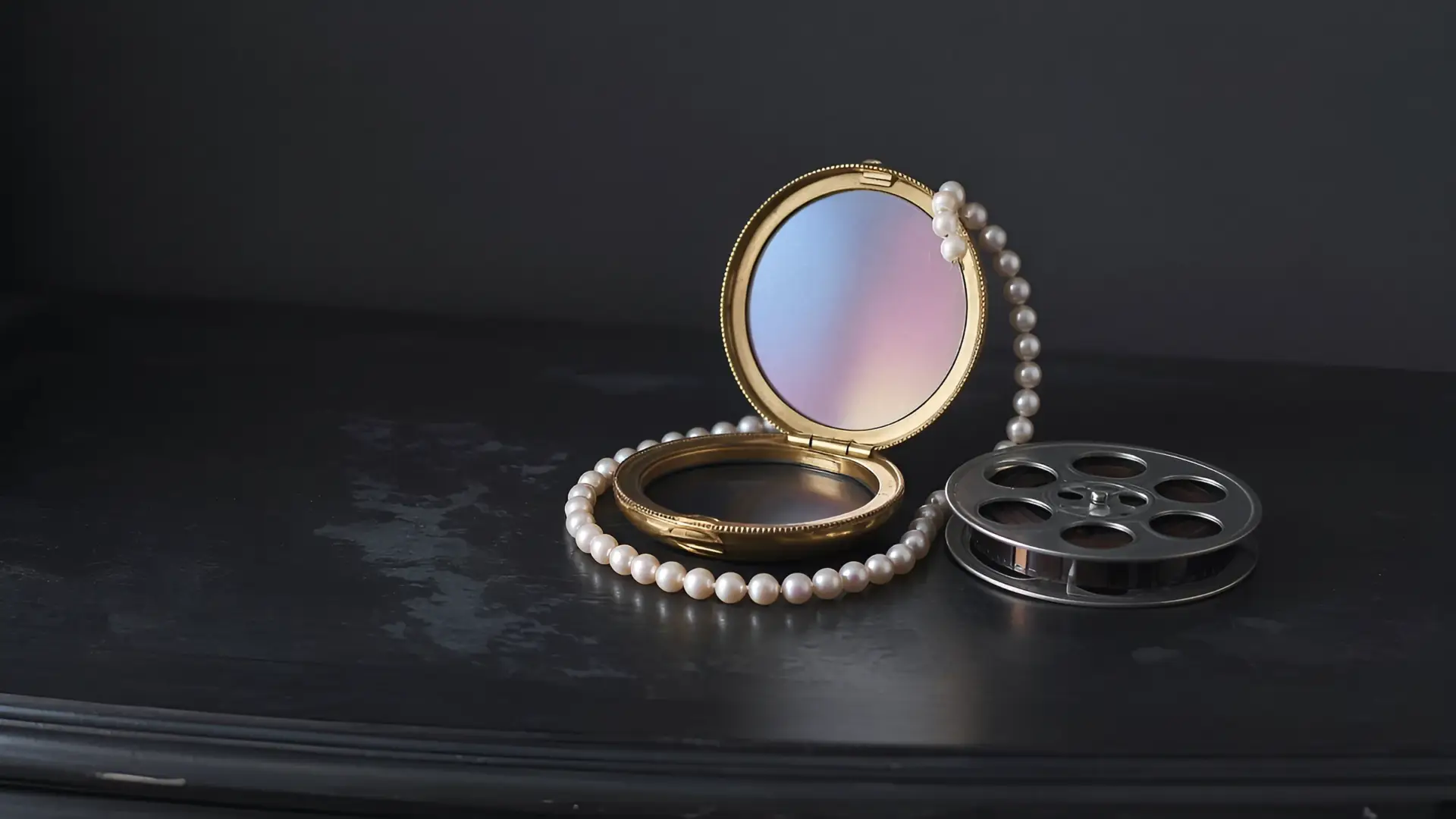
Old Hollywood glamour never stays away from the red carpet for long. Each big carpet brings it back: the full skirt, the soft wave, the pale satin that looks lit from inside. Saturday’s Academy Museum Gala in Los Angeles was the latest proof. This is an essay about pictures, not people. We want to know why a look from the 1950s still wins in 2026, and what it would take to beat it.
What the fashion press saw
First, the reporting. WWD wrote that the carpet “leaned into 50s Hollywood glamour,” with pastels as one of the defining trends of the night. Its examples included a baby blue Dior look that WWD said channeled the Hitchcock glamour of To Catch a Thief, a pink Prada gown in the shade of a famous 1999 Oscars dress, and light green Chanel. WWD also pointed to vintage, including a Balenciaga dress that Vanity Fair dated to 1951.
Vogue reached the same verdict. Its best-dressed stars, Vogue wrote, were those “who leaned into classic Hollywood glamour,” with a twist. Vanity Fair, for its part, noted that black and white dominated the carpet, with a few pale blues as the exceptions.
That makes three outlets and three lists, and two of them named the same theme. For the full gallery, see our Academy Museum Gala 2026 looks.
Why old Hollywood glamour keeps winning
It photographs well
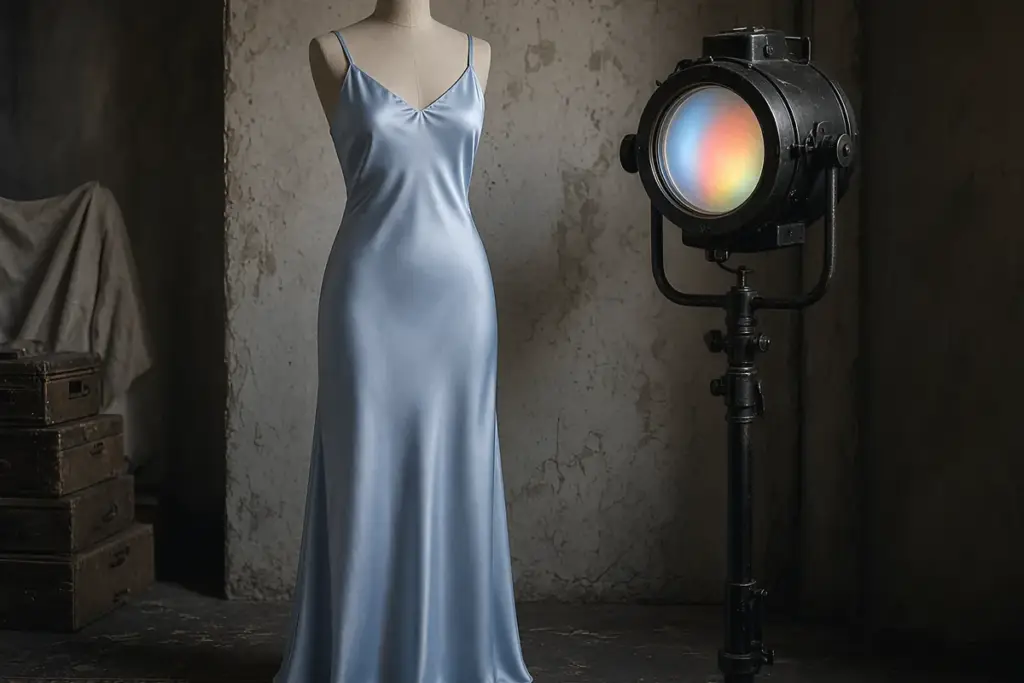
The first reason is practical. A red carpet is a machine for making photographs, and the studio era had the same job. Its costume designers dressed actors for black-and-white film and hard studio light. As a result, they relied on shape, contrast and shine. A fitted bodice and a full skirt make a clear outline. Satin catches light. Pale colors glow against a dark backdrop. Those rules still work on a phone screen, which is where most people now see a gala.
It comes with a story
Second, old Hollywood glamour arrives with a story already attached. When WWD connects a gown to To Catch a Thief, a reader can picture Grace Kelly on the Riviera in Hitchcock’s 1955 film. That one reference does a lot of work. It tells you how to feel about the dress before you have decided anything yourself. A brand new silhouette has no such shortcut. It has to explain itself in a single photo, and most of the time it cannot.
It suits the business
Third, it suits the business. WWD made this point directly. It described the red carpet as “part of its machinery,” a place where luxury brands fight for attention at a time of market pressure, design predictability and fatigue. A look that photographs well and comes with a ready-made story is a low-risk choice in that setting. Nobody gets fired for a pale blue gown.
Why the past feels safe
That last point leads to the bigger one. In our opinion, nostalgia reads as safe because it is a past nobody has to defend. The 1950s on a red carpet are not the real 1950s. They are an edited version, a mood built from film stills, with every hard edge cropped out. Dressing for that past is a way of choosing calm.
That is also why the look appeals in a nervous year. When the news is loud, a carpet full of soft colors and slow curves feels like a pause. It asks very little of the viewer except admiration. We do not think that is a bad thing. Sometimes you want a gown to be a gown.
Still, safe has a cost. WWD argued it well: the red carpet “needs its moments of provocation,” and if every appearance is “calculated for maximum optimization,” the audience gets bored. We agree. Old Hollywood glamour is a lovely language, but a language spoken by everyone in the room at once starts to sound like a script.
The hair is part of the costume
The trend does not stop at the hemline. In the studio-era stills that old Hollywood glamour borrows from, hair was part of the costume, set in waves and curls that held their shape under hot lights. Our fall 2026 hair trends story covers the warmer browns and fringes editors were reporting before the gala, and those ideas fit the mood too. In short, glamour on a carpet is a full set: dress, hair and light working as one picture.
What would look new instead
Here is what we think would feel modern, offered as opinion:
- Clothes that move. The studio look suits a still photo. A carpet look built for video, with fabric that swings or changes in motion, would speak to how we watch now.
- A reference from the near past. Not every quote has to come from 1955. Runways already borrow from the 1990s and 2000s. A carpet that borrowed from a decade its guests actually lived through might feel more personal.
- Real color. Pastels and black and white are the safe pair. A strong, saturated color would break the photograph in a good way.
- Fewer references, more point of view. The best looks on any carpet are the ones you cannot caption with an old film title.
Old Hollywood glamour works best as a starting point
None of this means the look should go away. Old Hollywood glamour lasts because it works, and the Academy Museum Gala, a party for a film museum, is the most fitting place for it. However, the stars who will be remembered from this season are probably the ones who use the past as a starting point rather than a costume.
We will keep watching the carpets as awards season gets closer. For more essays like this one, browse our Commentary section.